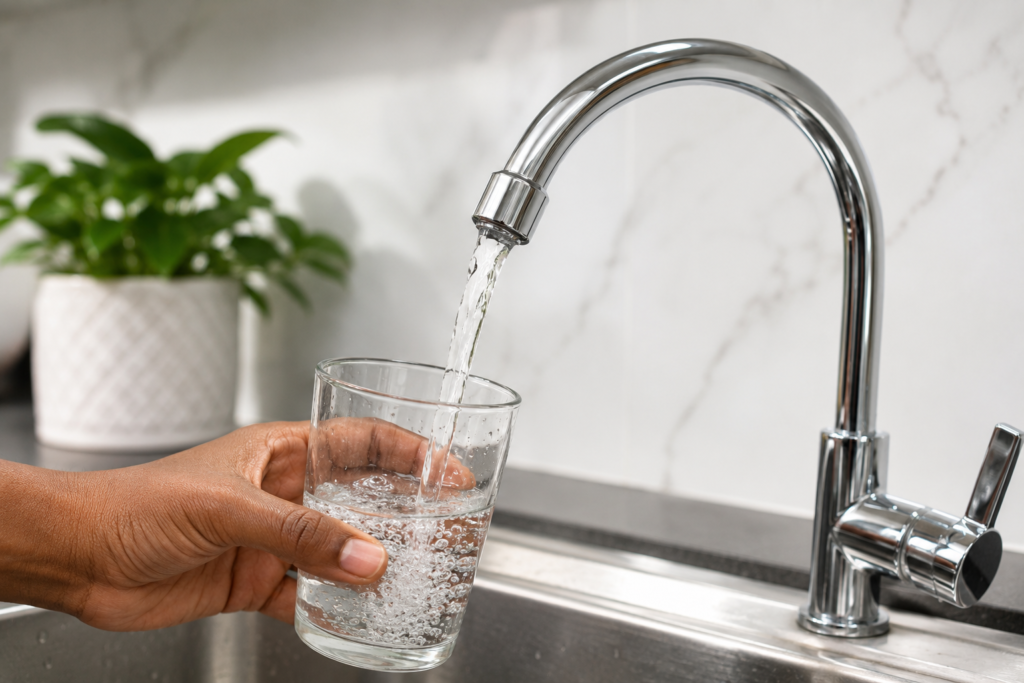
Clean water is something most of us use every day without giving it much thought. We turn on a tap, fill a glass, or use water for cooking, cleaning, or running a business, expecting it to be safe and reliable.
Behind that convenience is a process that removes impurities and improves water quality. That’s the job of a water treatment plant.
So, what is a water treatment plant, and why is it important? Here’s everything you need to know.
What Is a Water Treatment Plant?
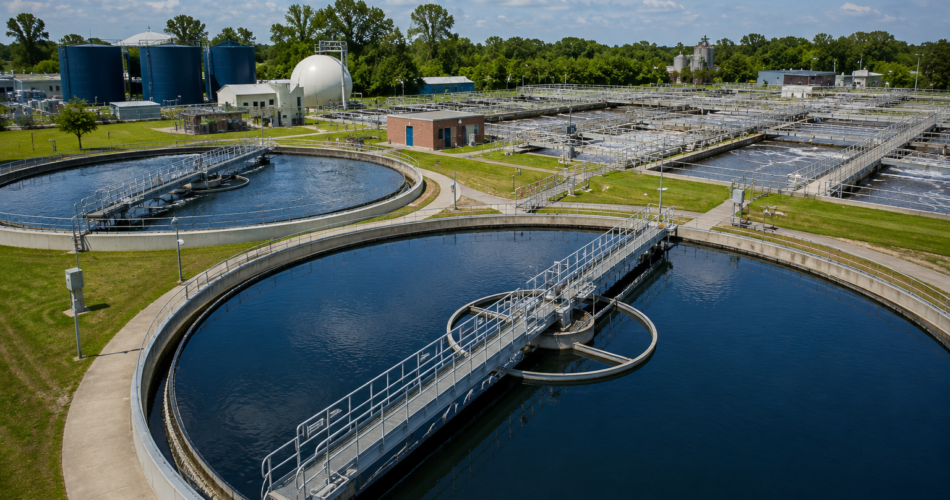
A water treatment plant is a system that cleans and treats water, making it safe for its intended use. Depending on its purpose, treated water may be used for drinking, cooking, bathing, industrial processes, irrigation, or commercial operations.
During treatment, unwanted substances such as dirt, bacteria, chemicals, and other contaminants are removed or reduced to improve water quality.
The type of treatment used depends on the water source and how it will be used.
Why Is Water Treatment Important?
Untreated water can contain harmful microorganisms, sediments, chemicals, and other pollutants that affect both health and equipment.
A properly designed water treatment plant helps to
- Improve water quality
- Remove harmful contaminants
- Protect public health
- Support homes, businesses, and industries
- Extend the lifespan of plumbing systems and equipment
- Provide a reliable supply of clean water
For a residential estate or a commercial facility, access to properly treated water is essential.
How Does a Water Treatment Plant Work?
While treatment systems vary depending on the project, most follow a similar process.
1. Water Collection
Water is collected from sources such as boreholes, rivers, lakes, or municipal supplies.
2. Screening and Filtration
Large particles, sand, dirt, and other debris are removed through different filtration stages.
3. Water Treatment
The water is treated to remove bacteria, viruses, and other harmful contaminants using appropriate treatment methods.
4. Storage and Distribution
Once the water meets the required quality standard, it’s stored and distributed for use.
Each stage plays an important role in ensuring the water is clean, safe, and suitable for its intended purpose.
Where Are Water Treatment Plants Used?
Water treatment plants are used across many sectors, including:
- Residential estates
- Hotels and resorts
- Hospitals
- Schools
- Office complexes
- Manufacturing facilities
- Food processing businesses
- Commercial developments
- Public institutions
As demand for clean and reliable water continues to grow, more organisations are investing in professional water treatment solutions.
Signs You May Need a Water Treatment Plant
Not every water source provides the same quality.
You may benefit from a water treatment system if you notice:
- Water with an unusual colour
- An unpleasant taste or smell
- Visible particles or sediment
- Hard water that damages appliances
- Water quality concerns for your home or business
A professional assessment can help determine the most suitable treatment solution for your property.
Choosing the Right Water Treatment Plant
The best water treatment system depends on several factors, including:
- Your water source
- Water quality
- Daily water demand
- The intended use of the water
- Your budget
- Future expansion needs
Working with experienced professionals ensures your system is properly designed to meet your specific requirements rather than using a one-size-fits-all approach.
Clean Water Starts with the Right System
A water treatment plant does far more than clean water. It protects health, supports businesses, improves efficiency, and ensures a dependable water supply for everyday life.
Choosing the right system starts with understanding your needs and working with experienced professionals who can design a solution that lasts.
If you’re looking for expert water treatment plant construction in Nigeria, Pools and Foutains is ready to help you create a reliable water system for your property.