
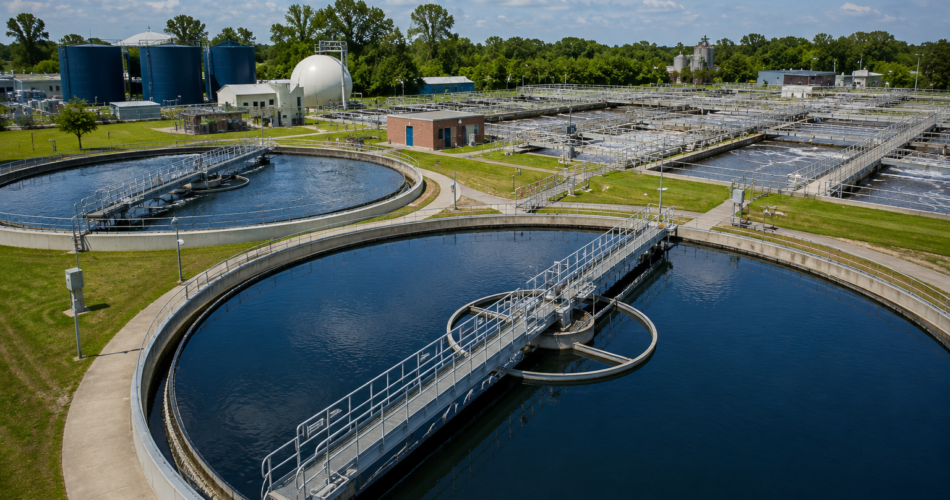
Not all water treatment plants are built to do the same job.
The water coming from a river, borehole, or other source may need to be treated differently depending on what is in it and what the treated water will be used for.
That is why there are different types of water treatment plants, each designed around a particular purpose. Understanding these differences can help you choose the right treatment system for your project instead of simply choosing the most complex or expensive option.
What Is a Water Treatment Plant?
A water treatment plant is a system designed to remove unwanted substances from water and make it suitable for its intended use.
Depending on the source and purpose of the water, treatment may involve removing dirt, suspended particles, harmful microorganisms, chemicals, unpleasant odours or other contaminants. You can read more here in our comprehensive guide to understand what it is better: What is a Water Treatment Plant?
The treatment process is not the same for every project. A system designed to produce drinking water, for example, will have different requirements from one designed to treat wastewater.
1. Drinking Water Treatment Plants
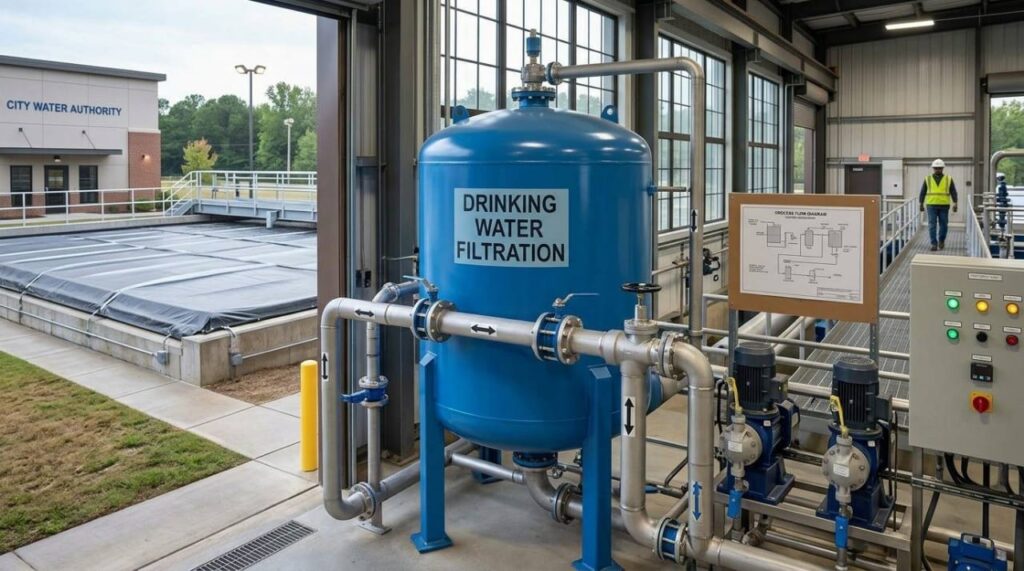
These plants treat raw water and make it suitable for human consumption.
The source could be a river, lake, dam, borehole or other water supply. The treatment process usually involves several stages to remove particles, microorganisms and other substances that could make the water unsafe to drink.
Common stages can include:
- Screening
- Coagulation and flocculation
- Sedimentation
- Filtration
- Disinfection
The exact process depends on the quality of the source water.
For communities, estates, institutions and other facilities that need a reliable supply of treated water, the treatment plant has to be designed around the quality of the incoming water and the required output.
2. Wastewater Treatment Plants
Wastewater treatment plants deal with water that has already been used.
This could be wastewater from homes, estates, hotels, industries or commercial facilities. The aim is to remove contaminants from the wastewater before it is discharged, reused or sent for further treatment.
Wastewater can contain organic matter, suspended solids, nutrients and other pollutants, so it requires a treatment process designed specifically for those contaminants. These plants are particularly useful for large properties and developments that generate significant amounts of wastewater.
3. Sewage Treatment Plants
A sewage treatment plant is designed specifically for treating sewage from toilets and other domestic wastewater sources.
It is commonly used in places that are not connected to a central public sewer system. Estates, hotels, schools, residential developments and other properties may require sewage treatment systems to manage the wastewater they produce.
The treated water can then be discharged or considered for reuse, depending on the treatment system and applicable requirements.
4. Industrial Water Treatment Plants
Industrial facilities can produce water containing substances that are specific to their manufacturing or production processes.
This means a standard treatment system may not be enough.
An industrial water treatment plant is designed around the type of water being produced and the contaminants that need to be removed.
Depending on the industry, treatment may be needed for chemicals, oils, suspended solids, metals or other substances. The right system starts with understanding the water itself.
5. Effluent Treatment Plants
Effluent treatment plants are used to treat wastewater produced by industrial and commercial activities before it is discharged or reused.
The treatment process depends heavily on the type of effluent being generated. For example, the wastewater from a food processing facility will not necessarily have the same characteristics as wastewater from a manufacturing plant.
This is why effluent treatment systems are usually designed around the specific needs of the facility.
6. Water Purification Plants
Water purification plants focus on improving water quality by removing contaminants that make it unsuitable for a particular use.
The level of purification required depends on the final application. Some systems may use filtration and disinfection, while others may require more advanced treatment methods.
The important thing is to match the purification process to the quality of the source water and the standard required for the finished water.
So, What Is the Difference Between Them?
The biggest difference is what the plant is treating and what the treated water needs to become.
A simple way to look at it is:
| Type | Main Purpose |
| Drinking water treatment plant | Makes raw water suitable for drinking |
| Wastewater treatment plant | Treats used water before discharge or reuse |
| Sewage treatment plant | Treats sewage and domestic wastewater |
| Industrial water treatment plant | Treats water used or produced by industrial processes |
| Effluent treatment plant | Treats industrial or commercial effluent |
| Water purification plant | Removes contaminants to achieve a required water quality |
There can also be overlap between these categories. The name of a treatment plant does not tell the whole story.
The source water, contaminants, required water quality, flow rate and intended use all influence how the system should be designed.
How Do You Know Which Water Treatment Plant You Need?
Start with the water. Where is it coming from? What is in it? How much water needs to be treated? What will the treated water be used for? These questions help determine the right treatment process and equipment.
A proper assessment of the water source is important before choosing a system. Without it, you could end up with a treatment plant that is too basic for the water quality or unnecessarily complicated for the job.
Water Treatment Plant Solutions for Different Projects
Water treatment is not a one-size-fits-all service. At Pools & Fountains, we understand that different properties and projects have different water treatment needs. Our expertise extends beyond swimming pools and fountains to solutions that support water treatment and water management projects.
From residential developments and estates to commercial and larger-scale projects, the right treatment system starts with understanding the water and what you need it to achieve.