
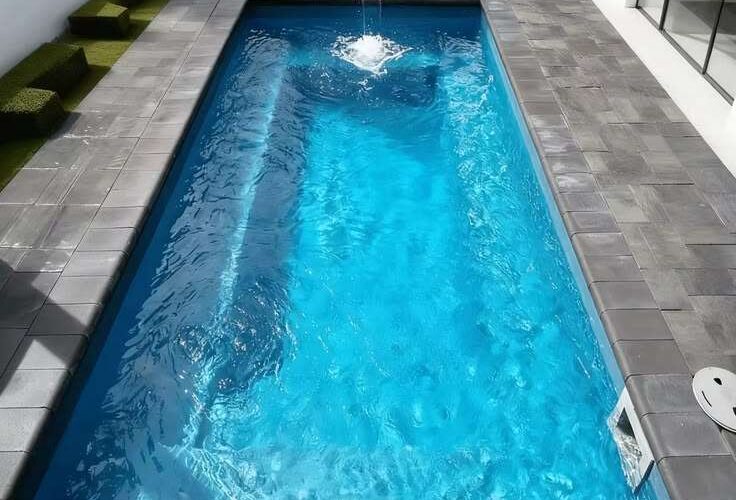
A swimming pool is a place to relax, exercise, cool off, and create lasting memories with family and friends. But before you jump in, it’s worth remembering one thing: water deserves respect.
Many pool accidents happen because simple safety precautions are ignored. The good news is that staying safe doesn’t require complicated rules. A few smart habits can help you enjoy your pool or swimming experience with greater confidence while protecting yourself and everyone around you.
If you’re visiting a hotel pool, relaxing at a private residence, enjoying a day at a resort, or managing your own swimming pool, these important swimming pool safety tips are important to note:
1. Know the Pool Before You Swim
If you’re visiting a pool for the first time, don’t rush into the water.
Take a few minutes to look around. Check where the shallow and deep ends are, locate the ladders or steps, and notice any warning signs. Every swimming pool is different, so understanding the layout helps you make safer decisions before you get in.
2. Never Dive Unless It’s Safe
One of the most common causes of serious swimming pool injuries is diving into shallow water. Before diving, always confirm that the water is deep enough and that diving is permitted. If you’re unsure, enter the pool feet first.
A few seconds of caution can prevent life-changing injuries.
3. Don’t Swim Alone
Even experienced swimmers can experience muscle cramps, fatigue, dizziness, or unexpected medical emergencies.
Swimming with another person or making sure someone nearby knows you’re in the pool means help is available if you need it.
This is especially important when using private residential pools.
4. Walk, Don’t Run
Wet pool decks become slippery very quickly.
Running around the pool increases the risk of slipping, falling, or accidentally knocking someone into the water. Walking may seem like a simple rule, but it’s one of the easiest ways to avoid unnecessary injuries.
5. Know Your Swimming Ability
Swimming isn’t a competition.
If you’re still learning, stay in the shallow end until you’re comfortable. Avoid trying difficult dives or swimming in deeper water simply because others are doing it.
Being honest about your swimming ability is one of the smartest safety decisions you can make.
6. Stay Away from the Pool if You’re Feeling Unwell
Swimming requires energy and concentration.
If you’re feeling dizzy, extremely tired, or unwell, it’s better to stay out of the water until you feel better. Certain medical conditions can also increase the risk of accidents while swimming, so it’s important to listen to your body.
7. Avoid Alcohol Before Swimming
Alcohol affects balance, coordination, reaction time, and judgement.
Even if you’re a confident swimmer, drinking before entering the pool increases your risk of accidents. If you’re attending a pool party or relaxing at a resort, save the swim for before the drinks.
8. Keep the Pool Area Clear
A safe swimming pool extends beyond the water itself.
Remove toys, hoses, loose furniture, and other objects that could become trip hazards. Keeping the surrounding area neat helps prevent slips and falls while making it easier to move around safely.
9. Pay Attention to Water Quality
Clear water isn’t just about appearance; it’s also about health.
Poorly maintained pool water can contain bacteria, algae, and harmful microorganisms that may cause skin irritation, eye discomfort, or illness.
If you own a swimming pool, make it a habit to:
- Test the water regularly.
- Maintain the correct chemical balance.
- Clean the pool consistently.
- Ensure the filtration system is working properly.
Good maintenance creates a healthier and safer swimming environment.
10. Respect Pool Rules
Pool rules exist to protect everyone.
If you’re visiting a hotel, gym, school, or recreational facility, take a moment to read the posted guidelines. They may include instructions about diving, pool depth, opening hours, or the use of safety equipment.
Following these rules helps create a safer experience for everyone.
11. Keep an Eye on Children
Children should never be left unattended near a swimming pool, even if they know how to swim.
Active adult supervision remains one of the most effective ways to prevent accidents. Installing pool fencing, self-closing gates, and safety covers also provides an added layer of protection for residential pools.
12. Build Safety into Your Pool Design
Pool safety begins long before anyone enters the water.
Features such as non-slip decking, clearly marked pool depths, sturdy ladders, quality lighting, reliable filtration systems, and well-planned layouts all contribute to a safer swimming environment.
A Safe Pool Is a Better Pool
A swimming pool should be a place where people relax, have fun, and make great memories, not worry about preventable accidents.
By taking a few simple precautions, you can create an environment where everyone feels comfortable and confident.
So if you’re enjoying your very first swim or have owned a pool for years, good safety habits never go out of style. And when you’re ready to build a swimming pool (fiberglass or concrete) designed with both beauty and safety in mind, Pools and Fountains Nigeria is here to help you create a space you’ll enjoy for years to come.